
How OCWD Is Addressing PFAS Contamination
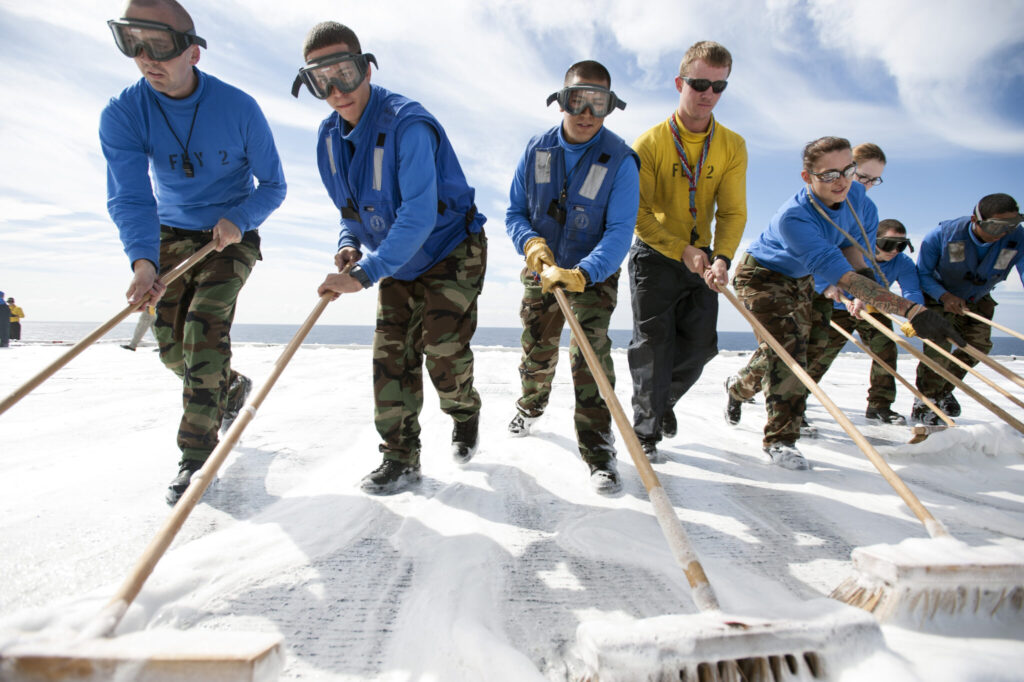
Per- and polyfluoroalkyl substances, a chemical family known as PFAS, were developed in the 1930s and 1940s and are now used in a wide variety of waterproof and oilproof containers, clothes, and implements, as well as firefighting foam. However, PFAS compounds’ ubiquity means that they have also made their way into water supplies that are […]
How Eastern Provides Recycled Water to Wetlands, Farms, Power Plants, and More
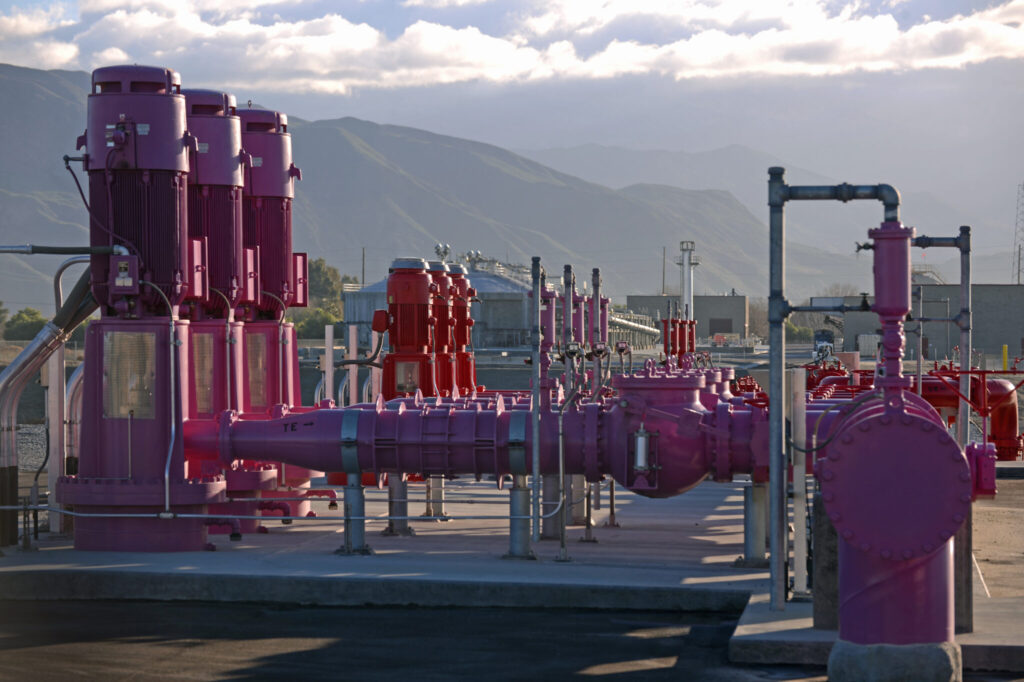
Eastern Municipal Water District (EMWD) provides water, wastewater, and recycled water service to more than 825,000 people in Riverside County, California. Since the 1960s, the district has been supplementing its largely imported water supply by developing wastewater reclamation and recycling projects. Currently, recycled water represents about 34 percent of its portfolio and is delivered to […]
Pentair: Water Reuse From Stadiums to Factories to Private Homes

Pentair, a global company with its main U.S. office in Minneapolis, has recently refocused its efforts squarely on the water sector. The company’s water technology has broad applications in the residential, commercial, and industrial sectors. Pentair also helped the Minnesota Twins achieve Leadership in Energy and Environmental Design (LEED) certification for their new baseball stadium […]
Demonstrating the Feasibility of Large-Scale Reuse in Southern California
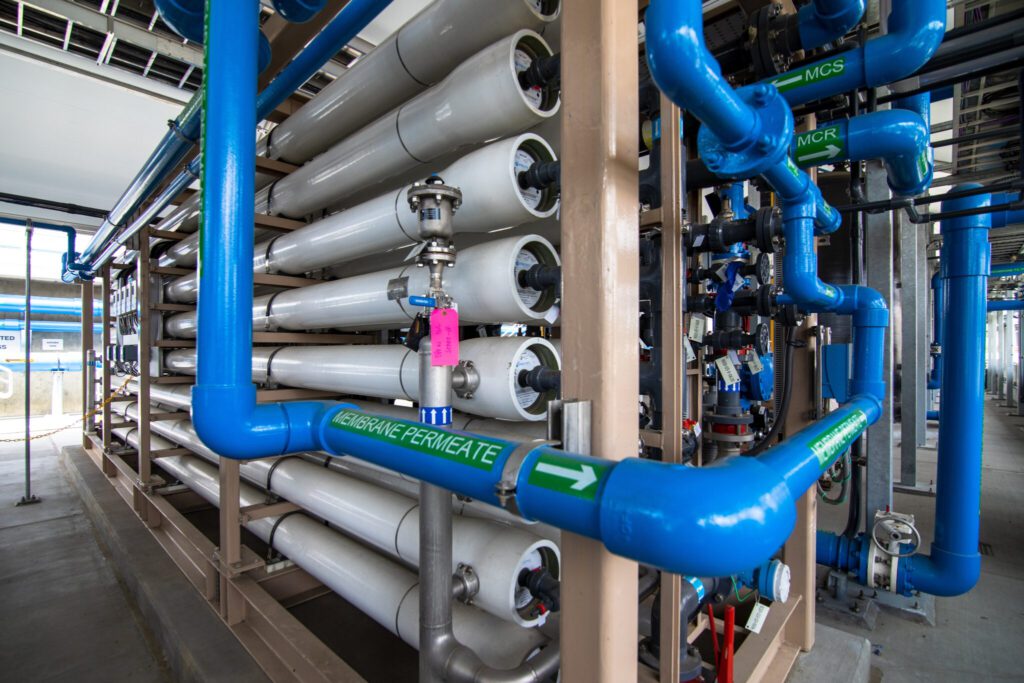
The Metropolitan Water District of Southern California is a major water wholesaler that serves 26 member agencies across 6 heavily populated counties. Most of its water is imported from the Colorado River and Northern California, but increasing drought and demand have highlighted the limitations of these sources. For decades, Metropolitan has encouraged and incentivized its […]
San Diego’s Pure Water Program

San Diego’s public utilities provide drinking water to around 1.3 million people—and rely primarily on imported water to do so. Recent years of shortage, high prices, and mandatory restrictions have highlighted the vulnerability of this water source and inspired the city to invest in an ambitious, 20-year project to create a local reuse source. The […]
How IPM Can Help Water Utilities With Personnel Transitions
When a high-level manager moves on to a new job, a municipal water agency may find itself caught flat-footed. It usually takes 4–5 months to replace a high-level manager or executive, and in the meantime, an agency may struggle to smoothly fulfil the departed employee’s functions. This is the problem that Tim Pickering aimed to solve […]
How Municipal Water Districts Can Work With FEMA
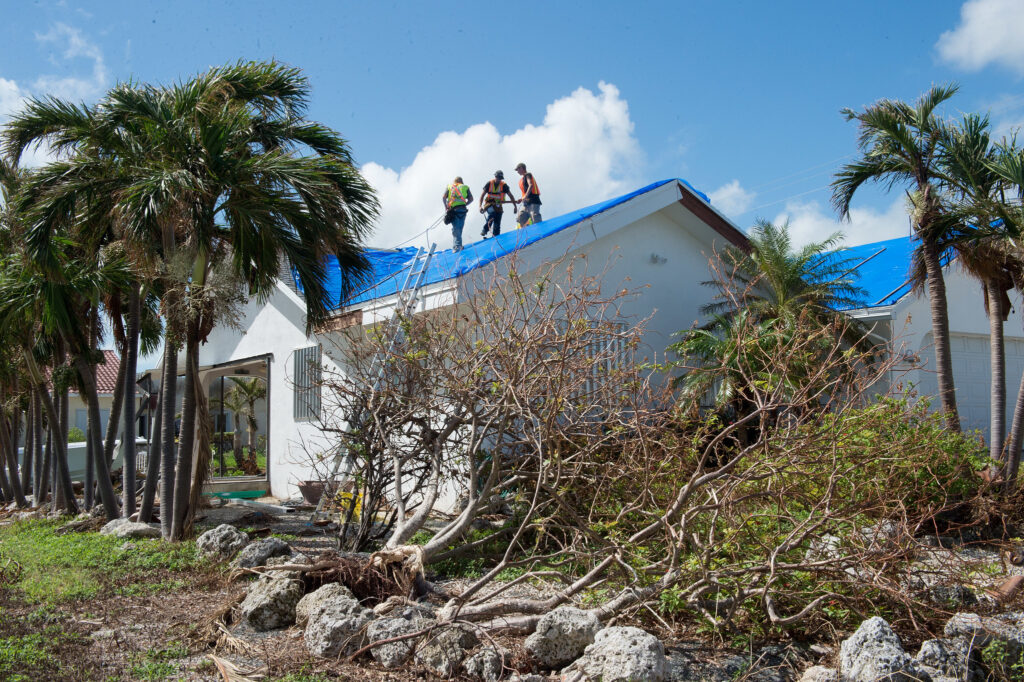
The Federal Emergency Management Agency (FEMA) is the U.S. government agency charged with coordinating disaster response at a scale that goes beyond the capacities of local or state governments. The agency provides on-the-ground recovery efforts in coordination with the U.S. Army Corps of Engineers and other federal and local agencies and also provides state and […]
Green Water Infrastructure for Chicago
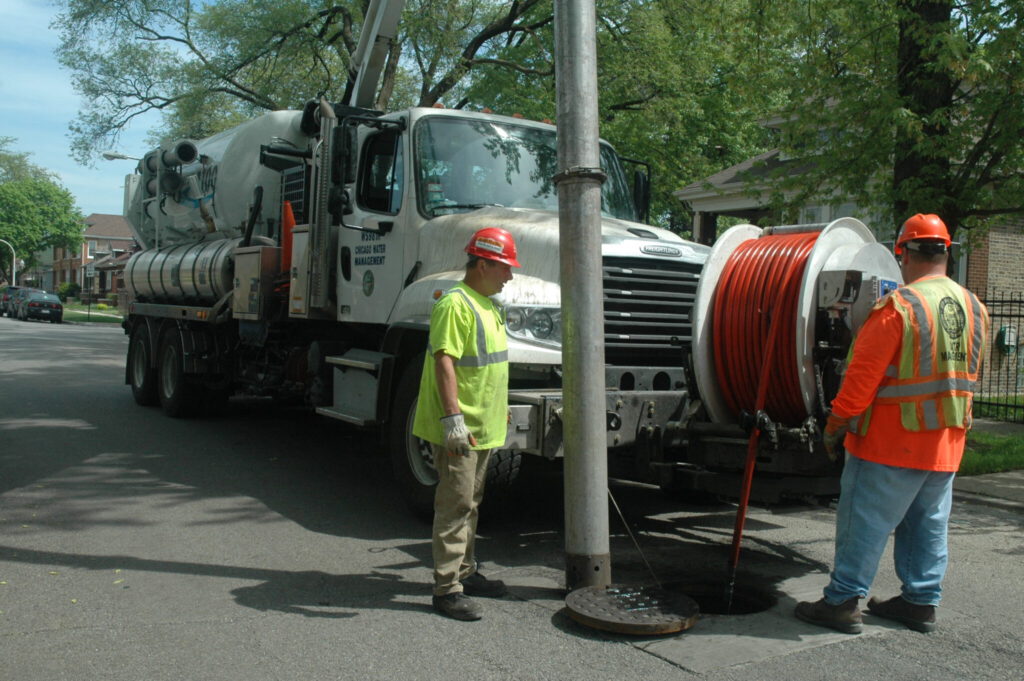
The Chicago Department of Water Management provides water and sewer service to over 5 million people in the greater Chicago area. Though much of its water infrastructure dates back to the 19th century, its major infrastructure revitalization and environmental initiatives earned the Department of Water Management a 2018 Sustainable Water Utility Management Award from the Association of […]
Fighting Floodwater in Arkansas
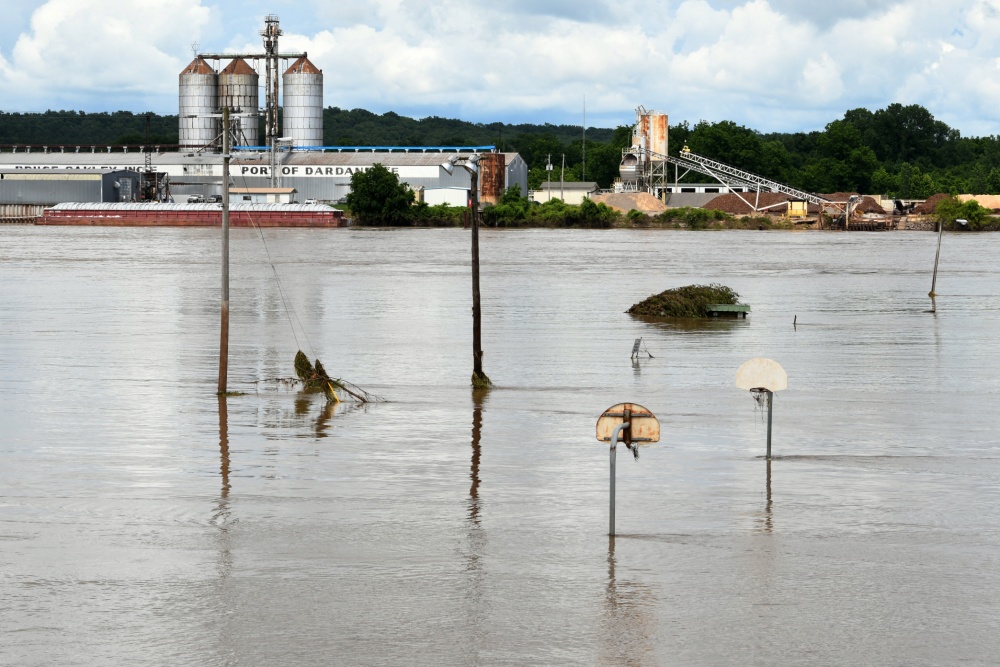
On May 25, 2019, the crest of a record-breaking flood on the Arkansas River entered the state of Arkansas in Sebastian County. Caused by heavy rainfall in the Oklahoma region, the flood would overtop and breach several levees, causing damage to public and private property, severely disrupting freight traffic on the river, and posing a risk […]
How New York City Is Learning From Hurricane Sandy
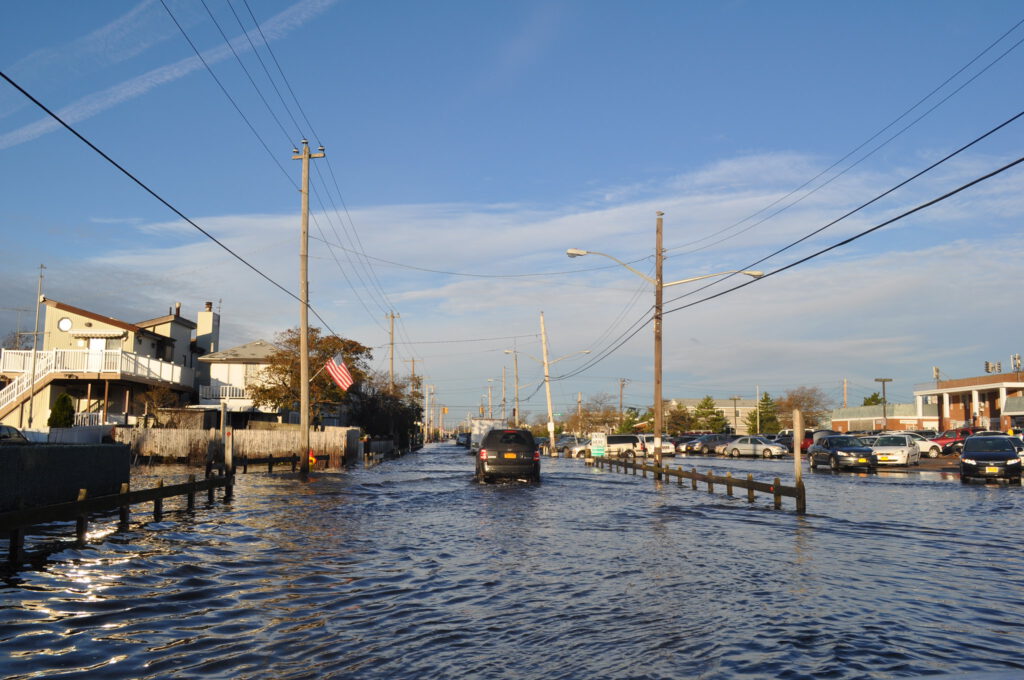
On October 29, 2012, Hurricane Sandy hit New York City. It was the most serious hurricane to hit New York in many years, flooding large parts of the city, damaging buildings and roads, and knocking out power. The hurricane posed significant challenges to New York’s Department of Environmental Protection (DEP), particularly to its wastewater treatment infrastructure. […]