
Progress on the Integrated Pipeline Project
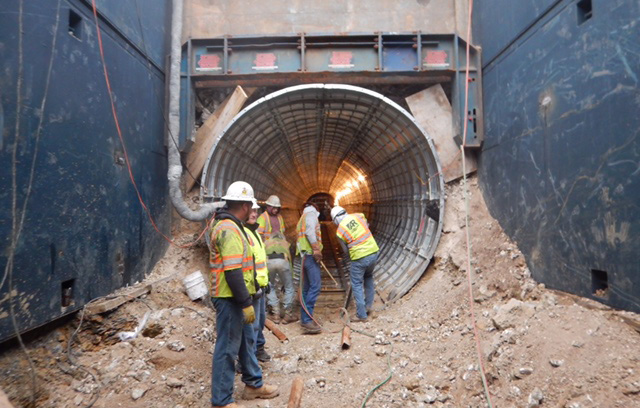
For nearly 100 years, the Tarrant Regional Water District (TRWD) has been providing flood-control services along the Fort Worth floodway and water supply services to 11 counties. Dallas Water Utilities (DWU) has been providing water to its service area for over 125 years. Combined, TRWD’s and Dallas’s service populations are in the 5.75–6 million range. […]
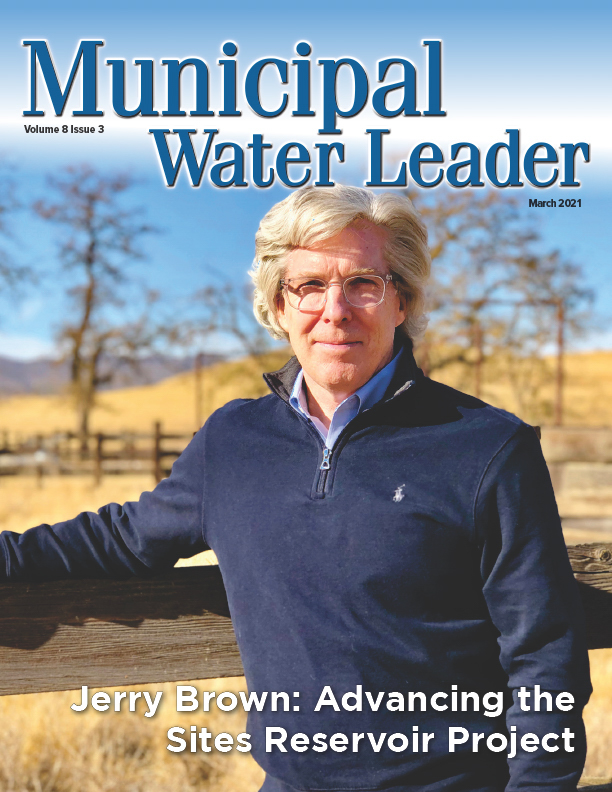
Jerry Brown: Advancing the Sites Reservoir Project

The proposed 1.5-million-acre-foot Sites Reservoir is intended to capture storm water flows from the Sacramento River for storage and release in dry years for environmental, residential, and agricultural uses. A reservoir of this scale requires serious, long-term planning efforts that encompass funding, design, and permitting. Jerry Brown was recently hired to lead the project team. […]
Volume 8 Issue 3 March 2021
The history of American water resources is marked by the construction of monumental structures like Hoover Dam, Grand Coulee Dam, the Colorado River Aqueduct, and the Central Arizona Project. But such construction is not limited to the past. Around the country today, large-scale reservoir and pipeline projects as well as important municipal projects continue […]
The Brown’s Creek Watershed District: Improving Water Body Health in an Urbanizing Area
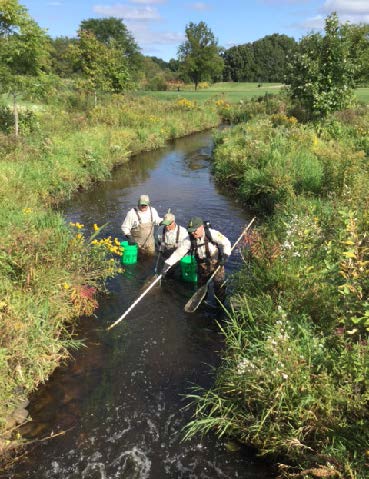
The Brown’s Creek Watershed District (BCWD), located near Stillwater, Minnesota, was recently recognized by the Water Environment Federation with its Water Quality Improvement Award for reducing runoff and pollution to the trout stream it works to protect. Despite being located in a quickly urbanizing area, the BCWD has managed to improve the biological health of […]
How the City of Pueblo’s Ntensify Nutrient Removal System Is Saving Money on Chemicals and Energy
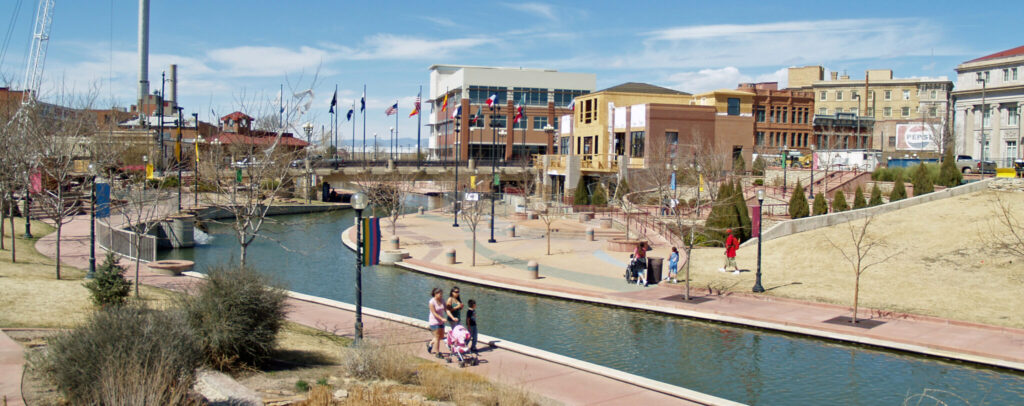
The City of Pueblo, Colorado, recently undertook a renovation of its James R. DiIorio Wastewater Reclamation Facility, installing an Ntensify nutrient removal system that has made its treatment process significantly more efficient and has reduced chemical and energy expenses so much that the improvement will pay for itself within 2 years. In this interview, Pueblo’s […]
Northwest Pipe’s Precision Design Aids Middlesex Water’s Plant Upgrade
Middlesex Water Company (MWC), which owns and operates several water and wastewater systems across the mid-Atlantic region, recently built an ozone treatment facility as part of a $70 million upgrade to its largest treatment plant in New Jersey. This improvement was challenging from a design and construction perspective: it required the rapid relocation and reconnection […]
Eastern Municipal Water District: Planning for Future Development Through Septic-to-Sewer Conversions
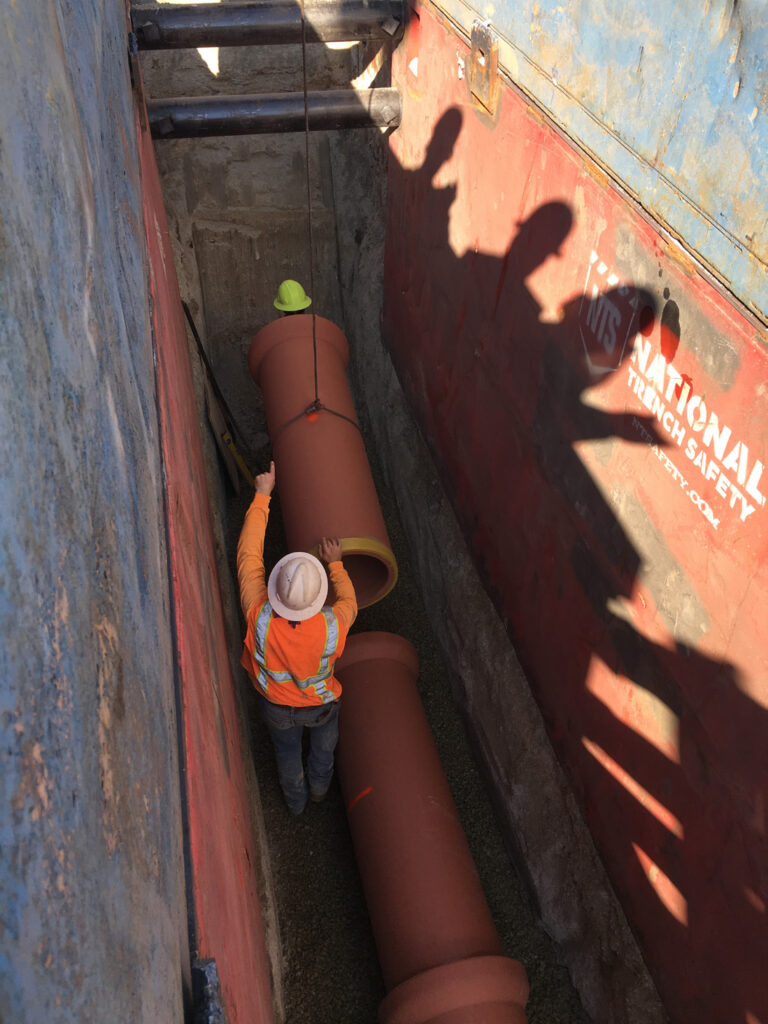
The Eastern Municipal Water District (EMWD) provides water, wastewater, and recycled water service to more than 825,000 people living and working within a 555‑square mile service area in western Riverside County, California. To ensure that it can provide these essential services far into the future despite the challenges of drought, population growth, and development, it […]
Charlotte Water’s McAlpine Creek Water Facility Rehabilitation
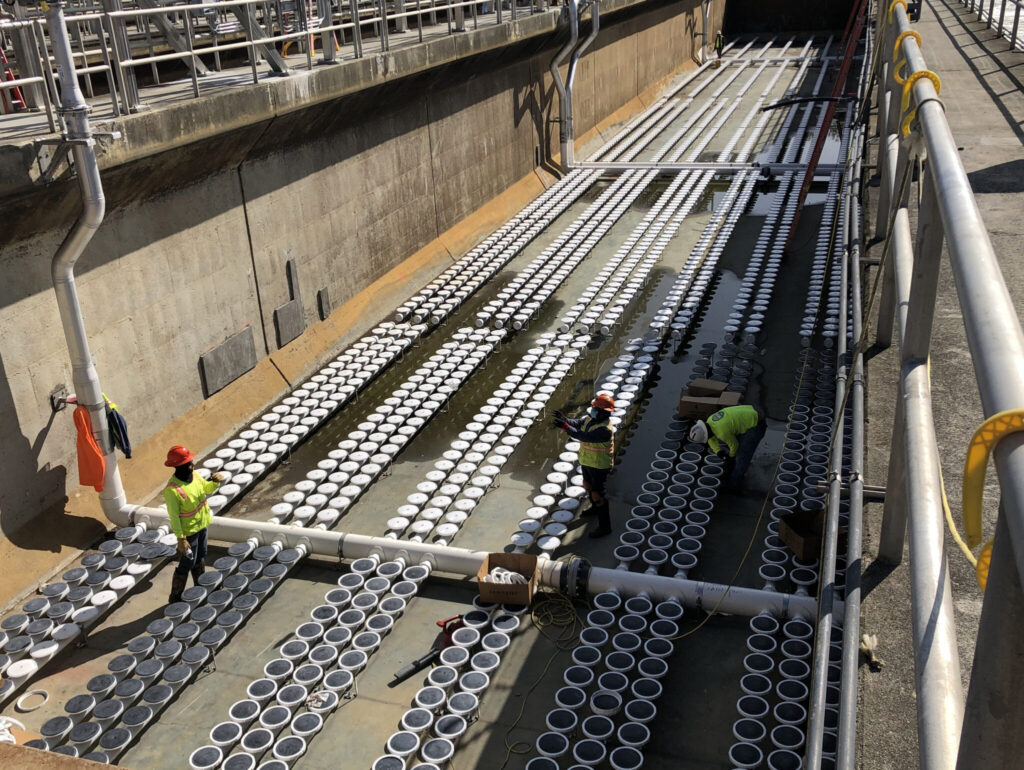
Charlotte Water in North Carolina is working on a major refurbishment program to improve its McAlpine Creek Wastewater Facility and address the aging of the infrastructure, some of which dates back to the 1960s. The project aims to rehab the heart of the plant, and will involve refurbishing or replacing aeration systems, blowers, and clarifiers […]
Volume 8 Issue 2 February 2021
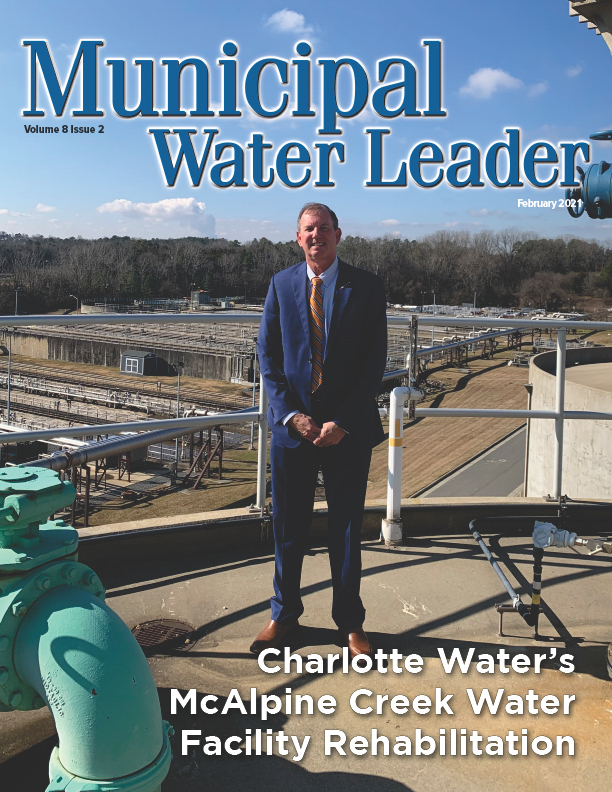
With growing cities, ever-tightening regulations, and constantly advancing treatment technology, wastewater planning is a process that never ends. In this month’s Municipal Water Leader, we bring you several stories of major wastewater planning processes that are in motion around the nation. In our cover story, Ron Hargrove of Charlotte Water tells us about a […]
How Auckland’s Safeswim Program Keeps Beachgoers Safe
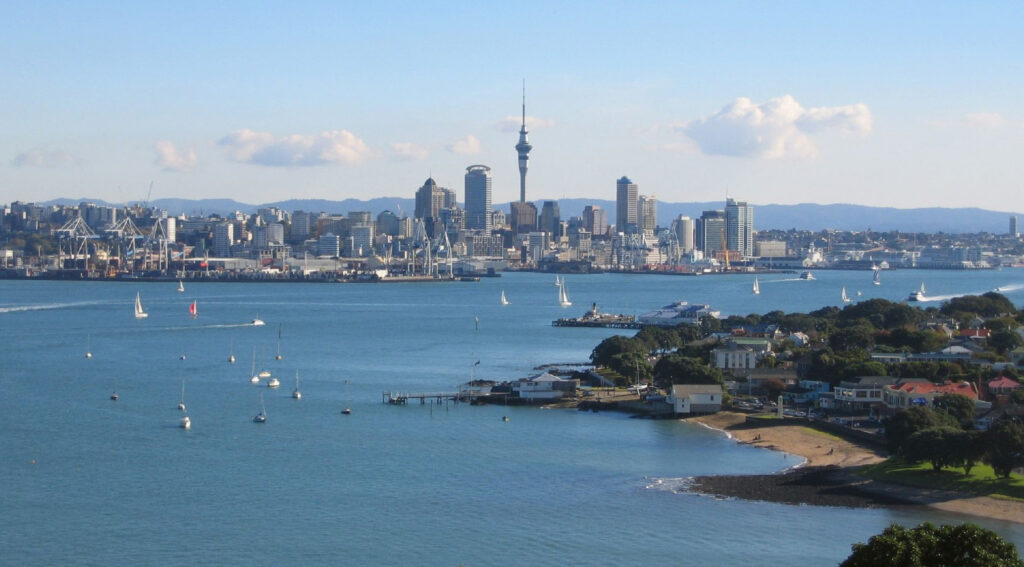
The municipal government of the city of Auckland, New Zealand, has created a program to easily present up-to-date information on water quality and hazards at local beaches to the public. The Safeswim program uses regular testing, real-time data on the performance of wastewater and storm water infrastructure, and data modeling to generate its recommendations. Meanwhile, […]