
A Remarkable Achievement: Metropolitan’s Jeffrey Kightlinger on the DCP
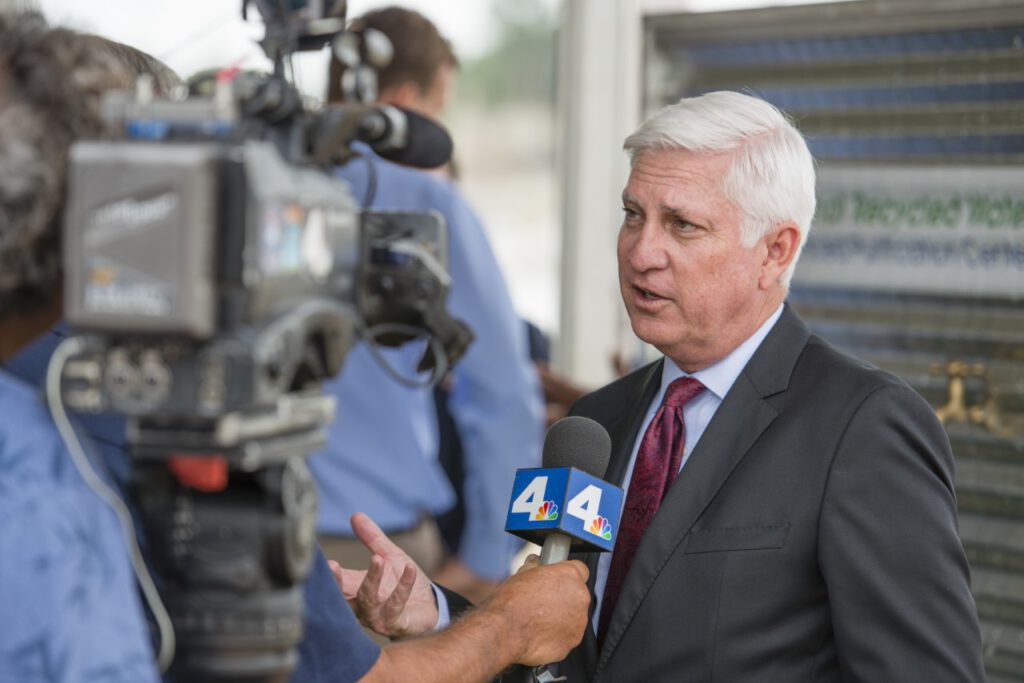
The Metropolitan Water District of Southern California is a state-established cooperative of 26 member agencies, including cities and public water agencies, that serve about 19 million people across 5,200 square miles stretching from Oxnard to San Diego. One of Metropolitan’s major sources of water is the Colorado River, water from which is conveyed to the […]
Implementing the DCP in Arizona: Tom Buschatzke of the ADWR
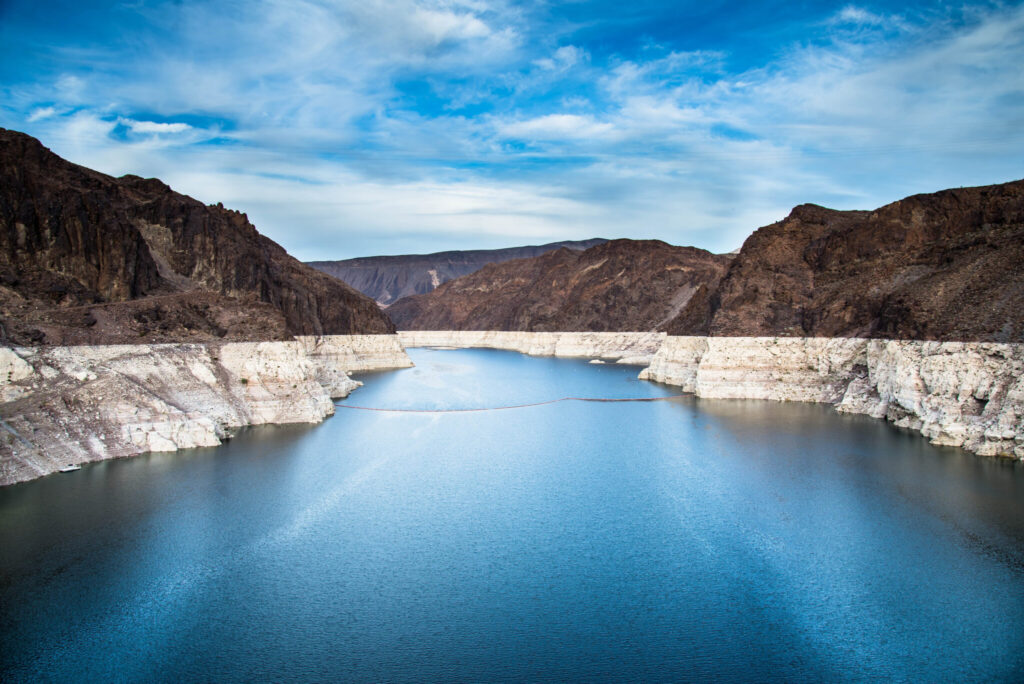
The Colorado River supplies nearly 40 percent of Arizona’s water use, providing water through the Central Arizona Project (CAP) to farmers, municipalities, and tribal water users. CAP’s service area covers Arizona’s biggest cities, including Tucson and Phoenix, as well as nine Native American tribes and the productive agricultural land around Yuma. Given the crucial role […]
The View From the Upper Basin: Wyoming’s Pat Tyrrell on the DCP
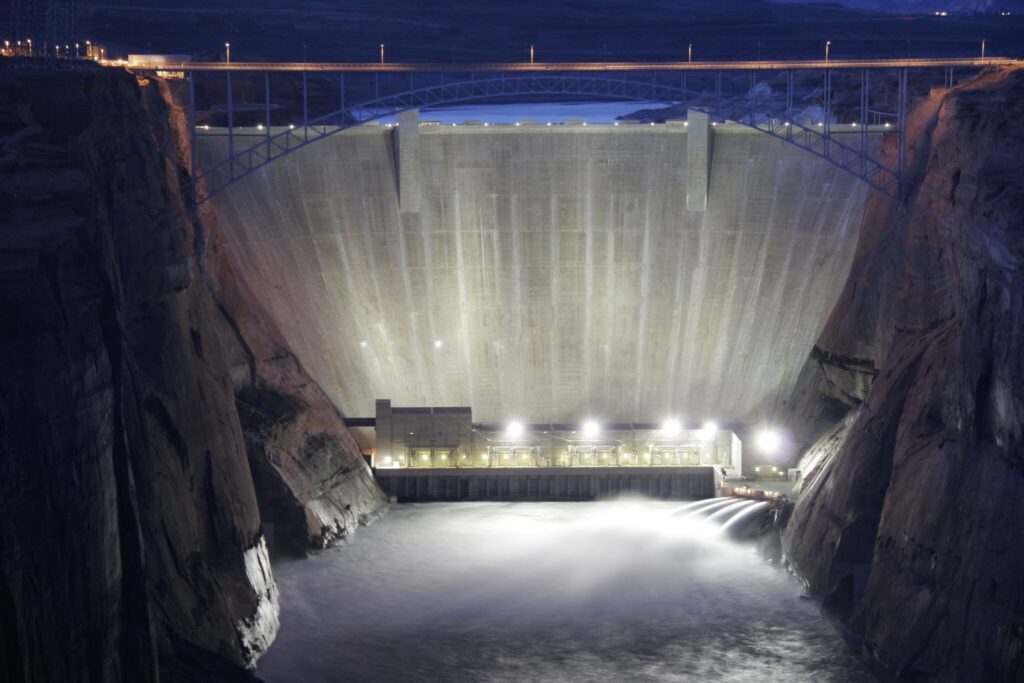
The states of the upper Colorado River basin—Colorado, New Mexico, Utah, and Wyoming—have longstanding agreements among themselves to curtail Colorado River water use in situations of need. However, because there are thousands of upper basin water users, in contrast to the relatively small number of water contractors and rights holders in the lower basin, this […]
Conserving a Crucial Water Source: John Entsminger of the Southern Nevada Water Authority
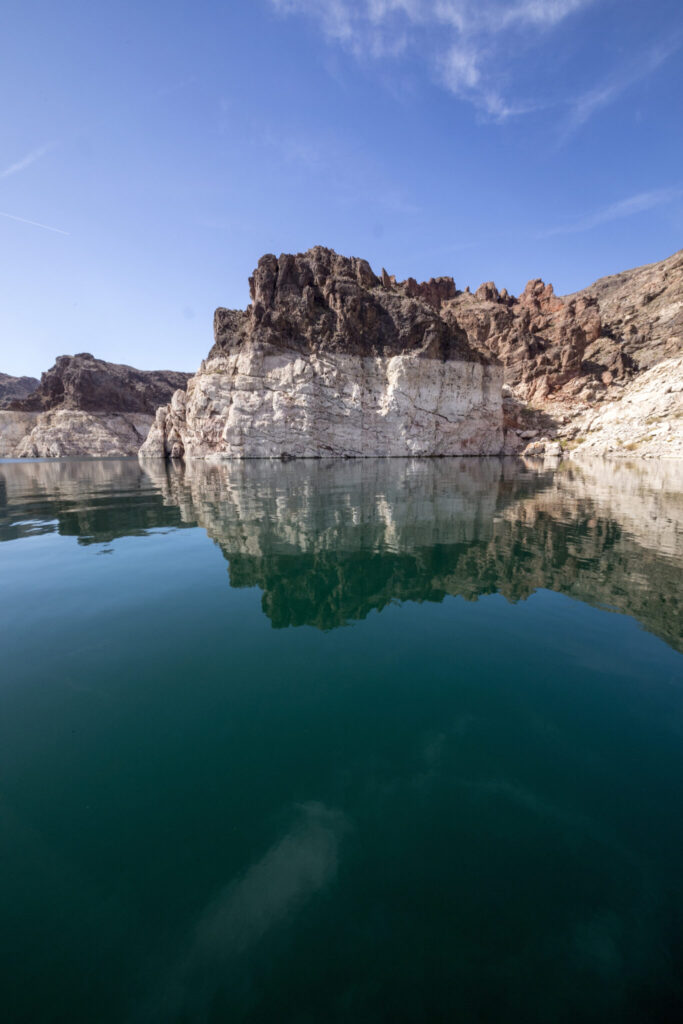
Nevada is allotted only 1.8 percent of the Colorado River water used by the seven Colorado basin states and Mexico, but it is perhaps the state most reliant on its allotment. This comparatively small amount of water is the predominant water source for the Las Vegas Valley, where most of the state’s population lives. The Southern […]
Commissioner Brenda Burman: The Promise of the DCP
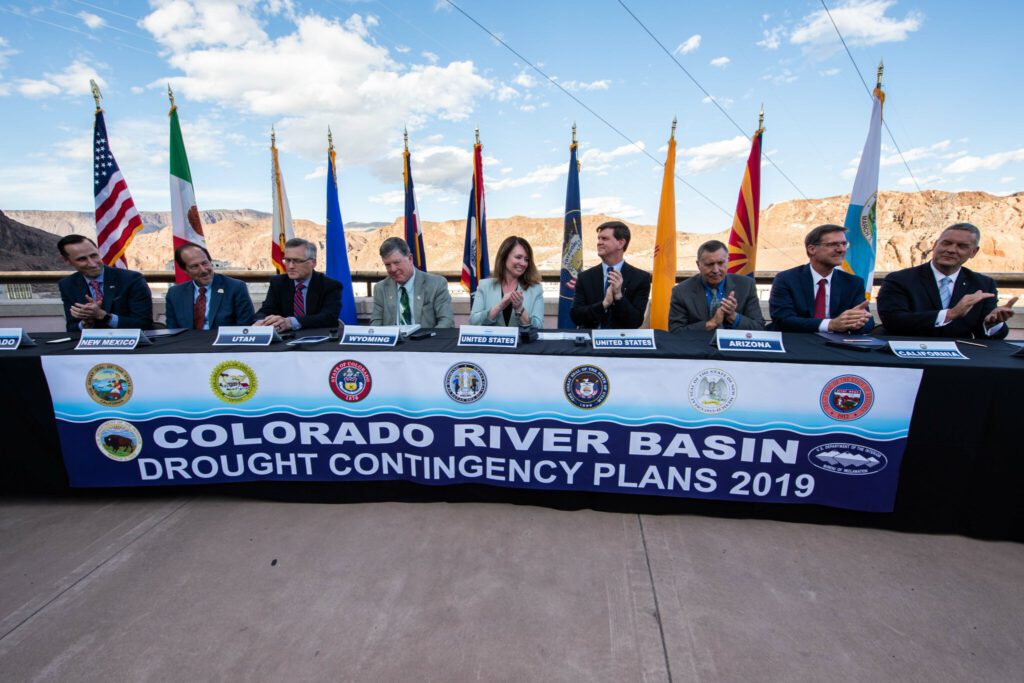
On May 20, 2019, representatives of the U.S. Department of the Interior, the Bureau of Reclamation, key water districts, and the seven Colorado River basin states gathered at the top of Hoover Dam to sign the Drought Contingency Plan (DCP), an ambitious agreement designed to reduce risk on the Colorado River and sustain the river system […]
What Local Entities Should Know About Working With the U.S. Army Corps of Engineers

T he U.S. Army Corps of Engineers has significant flood control responsibilities, both during times of preparation and during emergency events. During floods, it cooperates with state, county, and local governments, diking districts and levee boards, the Federal Emergency Management Agency (FEMA), and other entities. Steve Stockton, a senior advisor to the National Water Resources […]
The Nebraska Legislature’s Role in Flood Prevention

W hen historic floods recently hit Nebraska, the state’s legislature, executive branch, local governments, and regional entities all worked together to respond and to rebuild. As one element in the rebuilding process, the Nebraska Legislature passed LB 177, a bill to extend the bonding authority of the Papio-Missouri River Natural Resources District (NRD) and allow […]
Supporting Nebraska’s NRDs in Their Flood Response
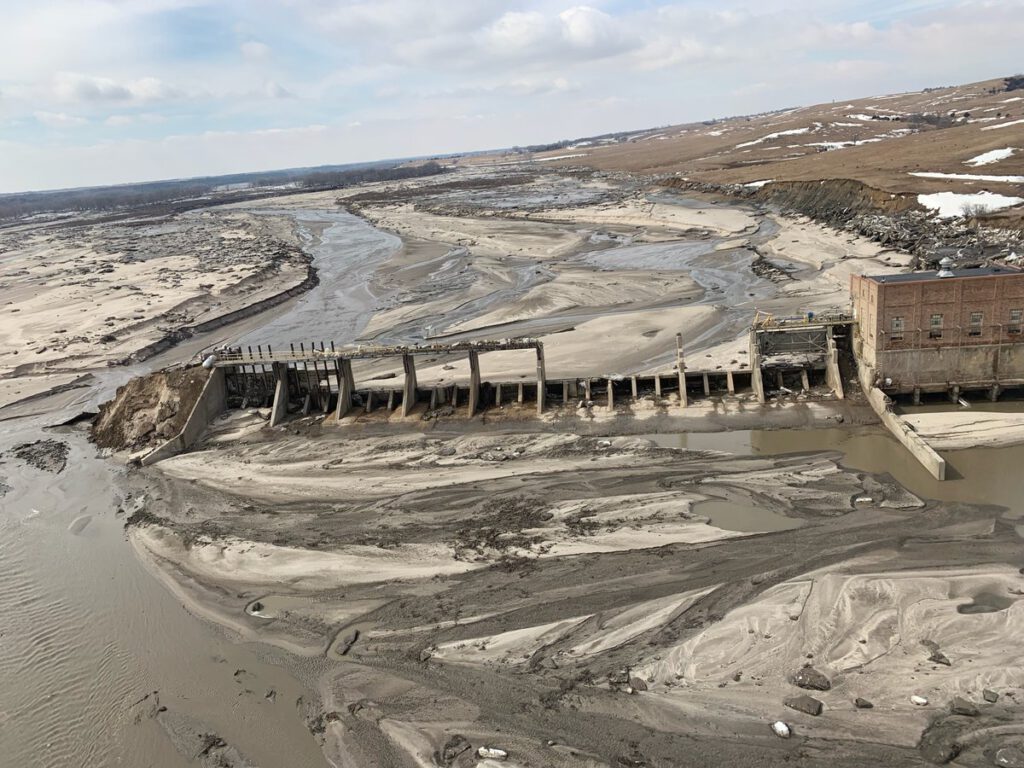
T he state of Nebraska has a unique system of 23 natural resources districts (NRDs) that handle water quantity and quality issues, soil-erosion control, flood prevention, and other environmental concerns across the state. The Nebraska Association of Resources Districts (NARD) is the trade association representing the NRDs, primarily before the state legislature and executive branch […]
Infrastructure Success on Salt Creek
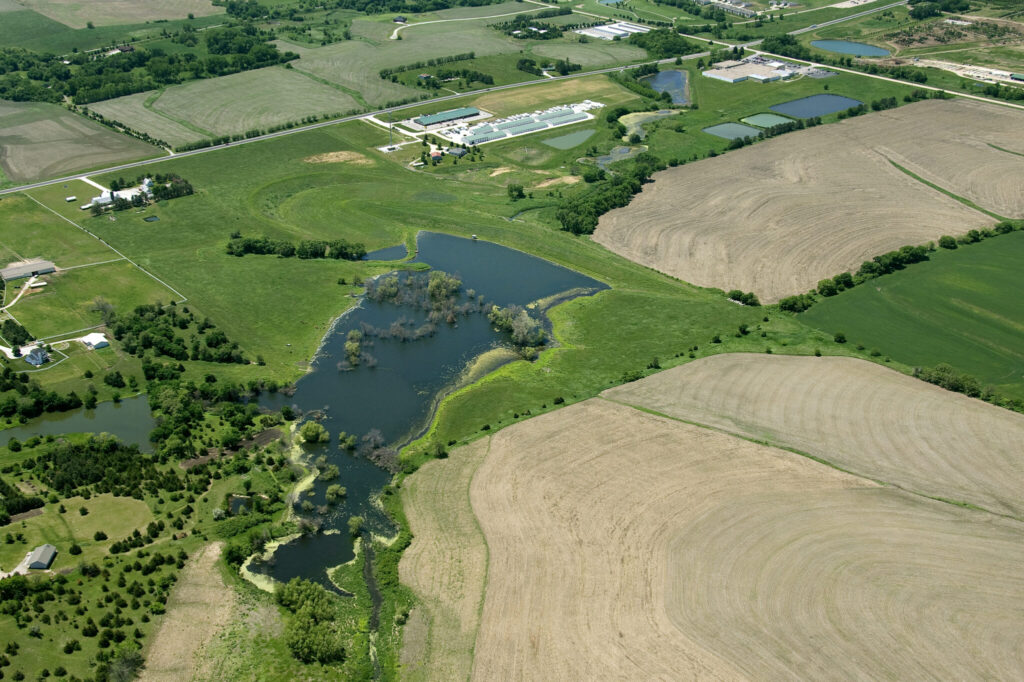
N ebraska’s recent floods devastated the areas around the Missouri, the Platte, and Nebraska’s other major rivers. Lincoln, the state capital, however, emerged relatively unscathed. Part of the reason for this was the successful performance of the flood control structures on the Salt Creek. These structures are operated by the Lower Platte South Natural Resources […]
Preparing for and Fighting a Record-Breaking Flood
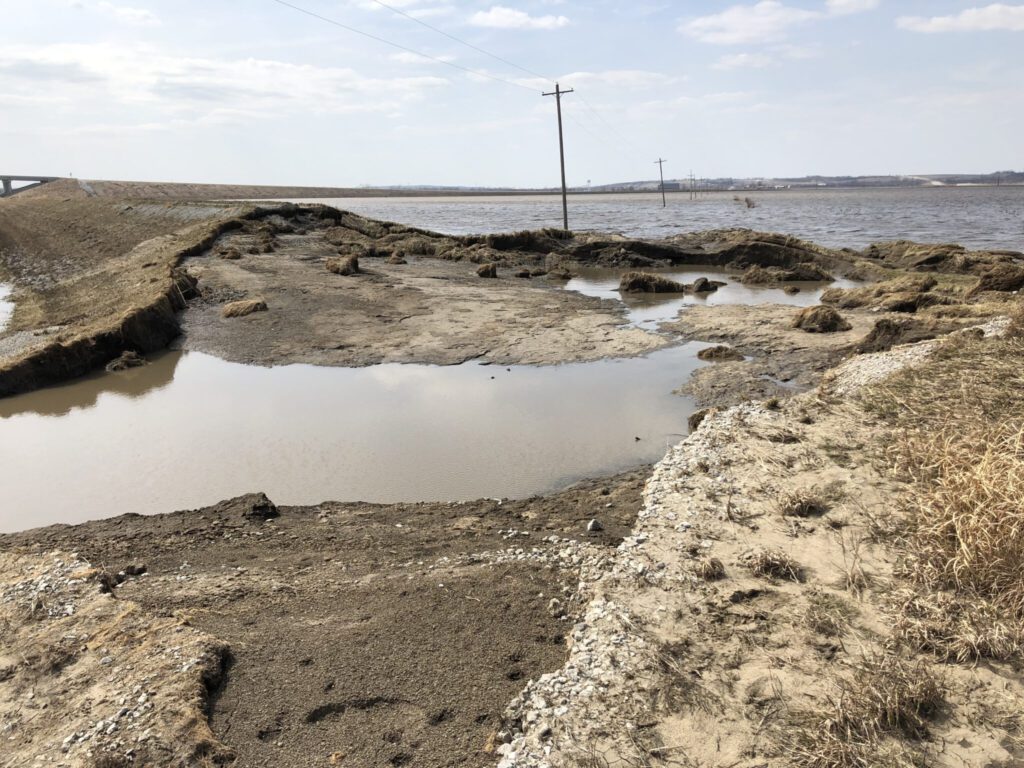
T he Papio-Missouri River Natural Resources District (NRD) is located on the Missouri River near the city of Omaha, Nebraska. The district is also bordered by the state’s other two major rivers, the Elkhorn and the Platte. The district has broad responsibilities managing the area’s natural resources, including flood planning and control. In this interview, […]