
Learning From the Millennium Drought: Anna Jackson of SA Water
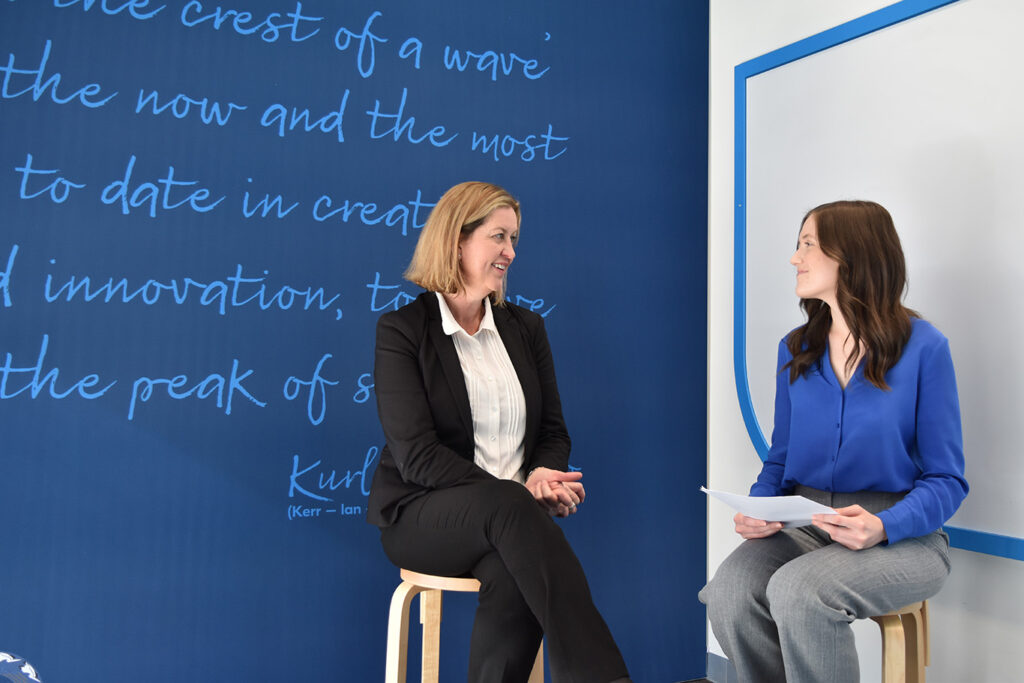
SA Water has been supplying water to the people of the Australian state of South Australia for over 150 years. South Australia’s 1.7 million residents are spread across an area more than twice the size of California, meaning that SA Water’s infrastructure is extremely extensive, reaching into remote zones. The Millennium Drought of the early to […]
Volume 6 Issue 7 August 2019
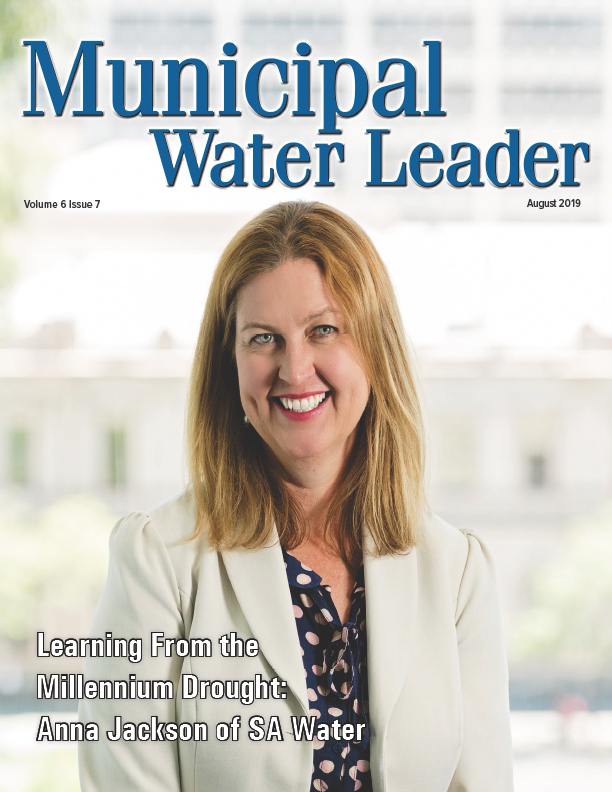
Australia is a huge, flat, dry country with big cities, productive agriculture, and vast empty expanses. These conditions present considerable challenges for water managers, both municipal and agricultural. This issue of Municipal Water Leader focuses on Australia’s impressive municipal water suppliers and entrepreneurs. In our cover story, Anna Jackson tells us about SA Water, based […]
Apana’s Intelligent Water Management Platform

For companies with numerous buildings and installations spread out over a wide geographical area, water use malfunctions can be hard to pinpoint. When a specific device or installation is broken, leaking, or wasting water, the company may have only a general sense that something is going wrong. That is where APANA comes in. Its Internet […]
A Remarkable Achievement: Metropolitan’s Jeffrey Kightlinger on the DCP
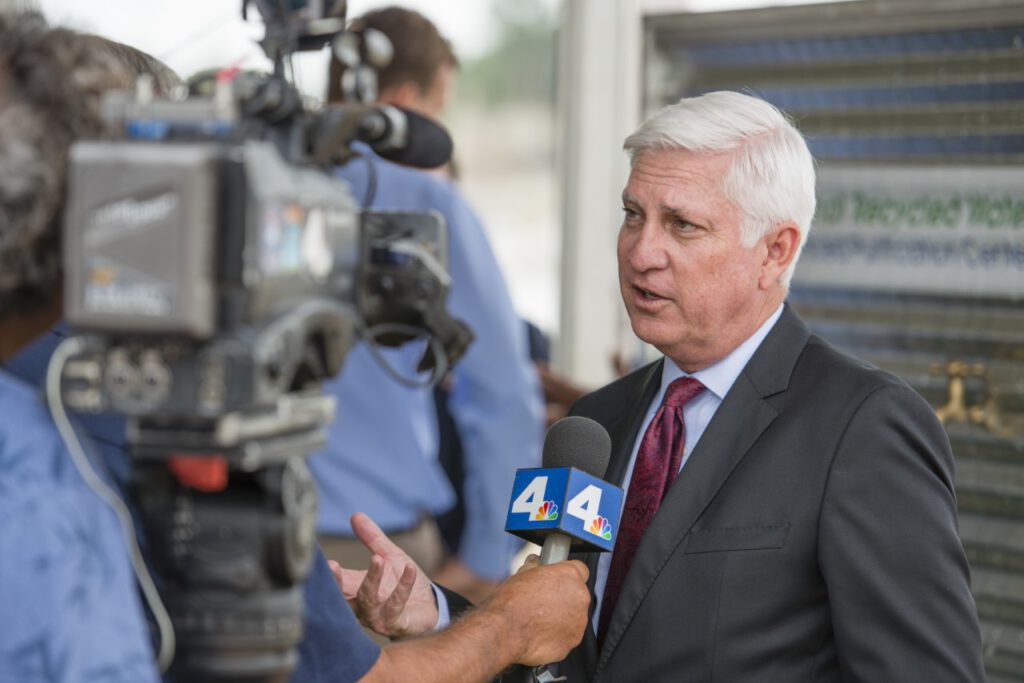
The Metropolitan Water District of Southern California is a state-established cooperative of 26 member agencies, including cities and public water agencies, that serve about 19 million people across 5,200 square miles stretching from Oxnard to San Diego. One of Metropolitan’s major sources of water is the Colorado River, water from which is conveyed to the […]
Implementing the DCP in Arizona: Tom Buschatzke of the ADWR
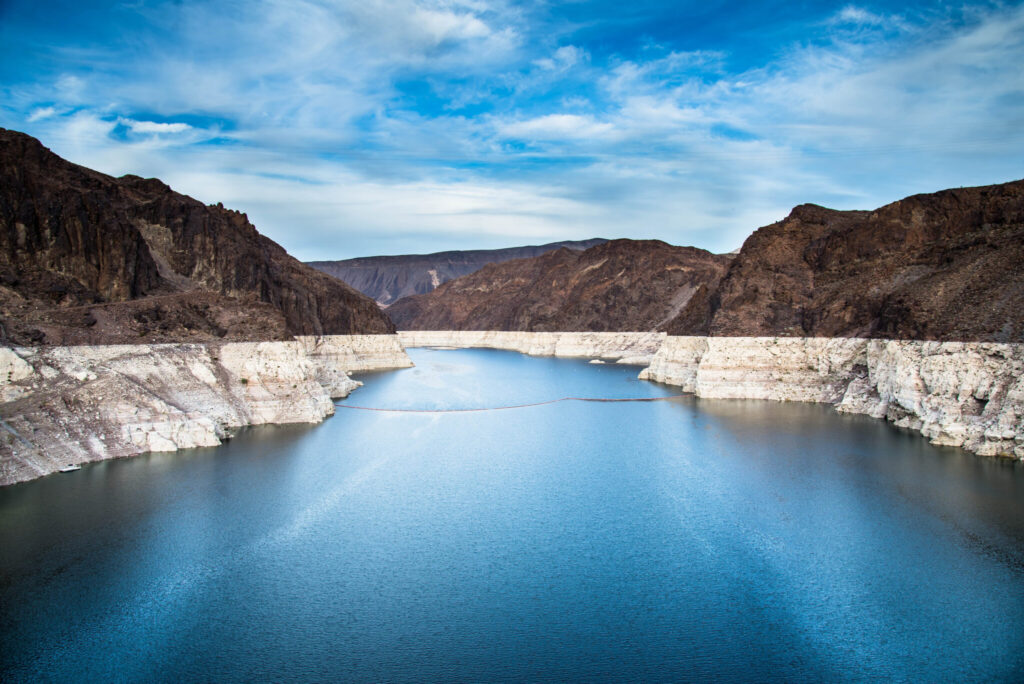
The Colorado River supplies nearly 40 percent of Arizona’s water use, providing water through the Central Arizona Project (CAP) to farmers, municipalities, and tribal water users. CAP’s service area covers Arizona’s biggest cities, including Tucson and Phoenix, as well as nine Native American tribes and the productive agricultural land around Yuma. Given the crucial role […]
The View From the Upper Basin: Wyoming’s Pat Tyrrell on the DCP
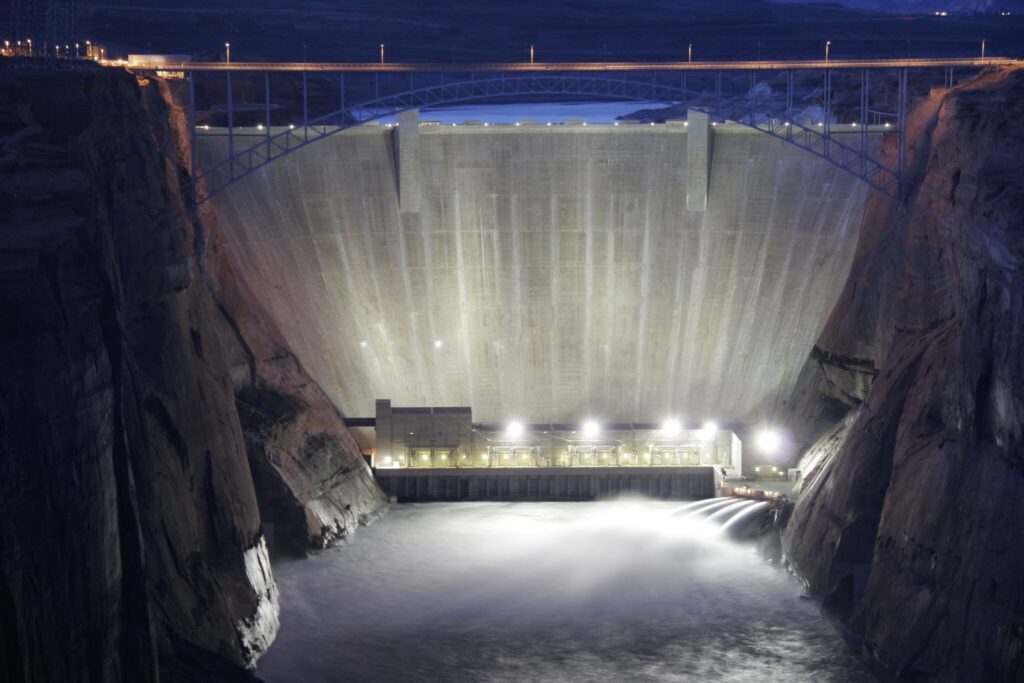
The states of the upper Colorado River basin—Colorado, New Mexico, Utah, and Wyoming—have longstanding agreements among themselves to curtail Colorado River water use in situations of need. However, because there are thousands of upper basin water users, in contrast to the relatively small number of water contractors and rights holders in the lower basin, this […]
Conserving a Crucial Water Source: John Entsminger of the Southern Nevada Water Authority
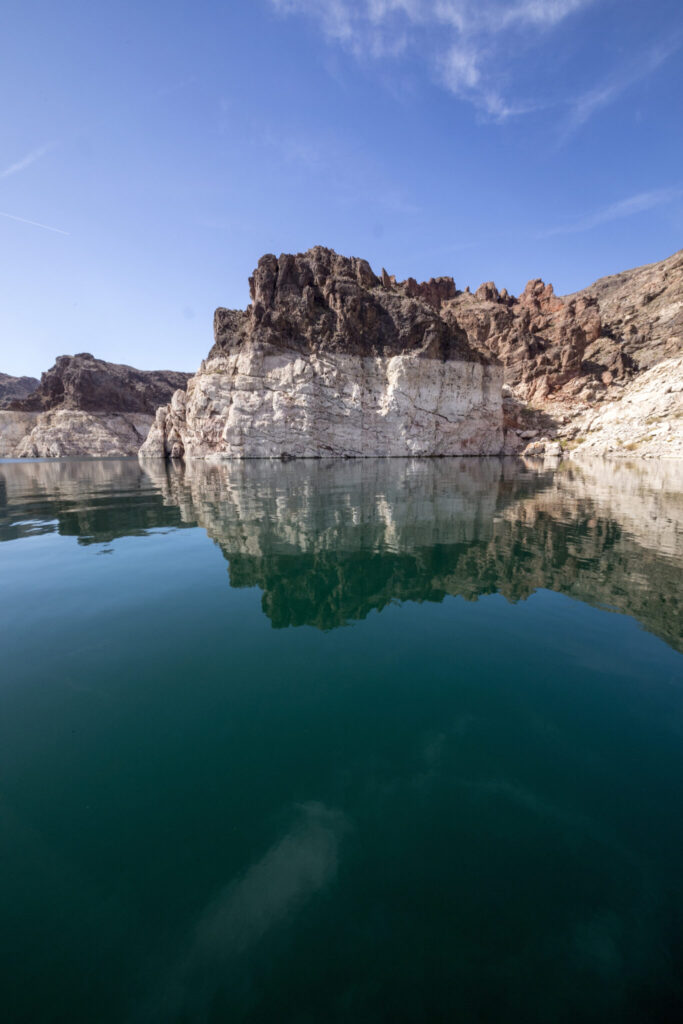
Nevada is allotted only 1.8 percent of the Colorado River water used by the seven Colorado basin states and Mexico, but it is perhaps the state most reliant on its allotment. This comparatively small amount of water is the predominant water source for the Las Vegas Valley, where most of the state’s population lives. The Southern […]
Commissioner Brenda Burman: The Promise of the DCP
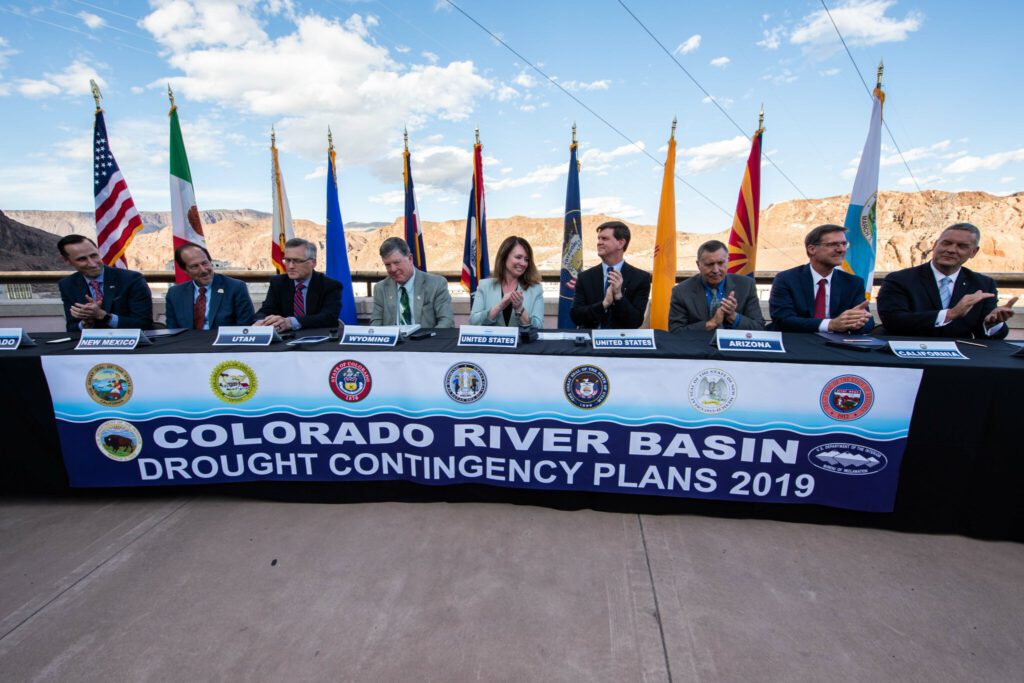
On May 20, 2019, representatives of the U.S. Department of the Interior, the Bureau of Reclamation, key water districts, and the seven Colorado River basin states gathered at the top of Hoover Dam to sign the Drought Contingency Plan (DCP), an ambitious agreement designed to reduce risk on the Colorado River and sustain the river system […]
Volume 6 Issue 6 July 2019
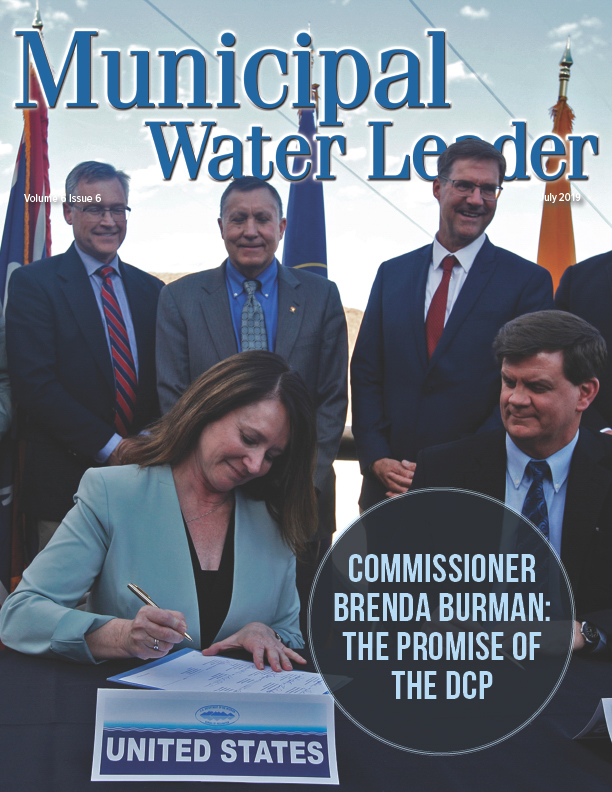
The Drought Contingency Plan (DCP), signed on May 20, is a milestone in the management of the Colorado River. Developed by the seven Colorado River basin states—Arizona, California, Colorado, Nevada, New Mexico, Utah, and Wyoming—plus Mexico and passed as federal law, it mandates ambitious, cooperative efforts to increase storage in Lakes Mead and Powell. […]
Volume 6 Issue 5 May/June 2019
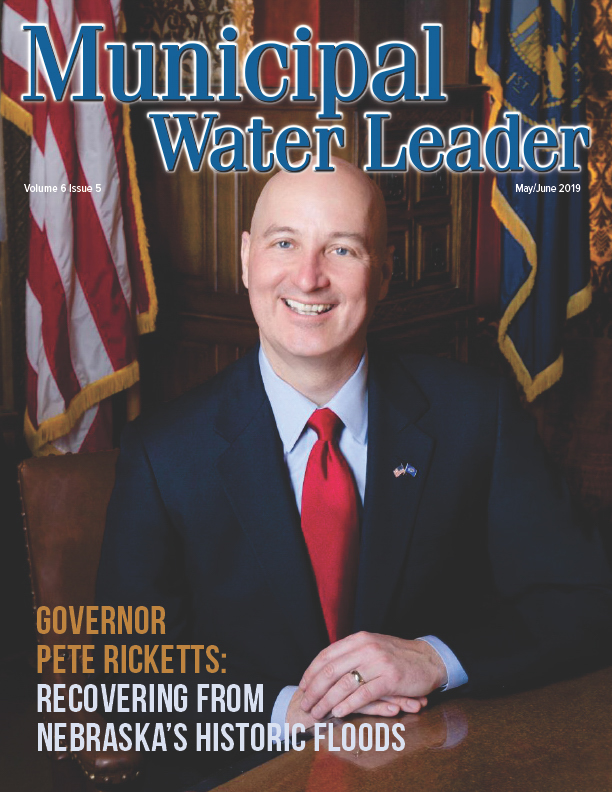
T he flooding that hit my home state of Nebraska and other Midwestern states in mid-March 2019 was one of the most serious natural disasters in Nebraska’s history. The floods displaced thousands of people, shut down a third of Nebraska’s 10,000 miles of state highway, damaged or destroyed dozens of bridges, and wiped out […]