The Value of Partnerships
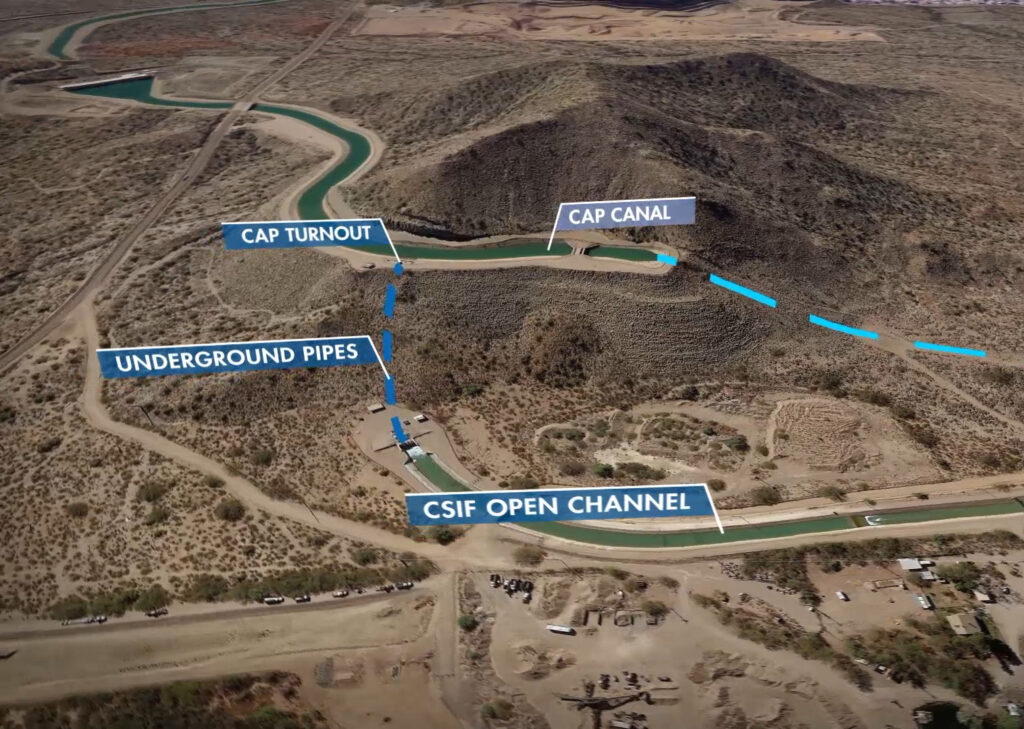
Providing a reliable and affordable source of water in the desert has never been an easy task. Not only does it require careful planning and solid infrastructure, it requires partnerships. [siteorigin_widget class=”SiteOrigin_Widget_Headline_Widget”][/siteorigin_widget] By Christa McJunkin Just as the landowners and farmers who banded together to work with the federal government to form the Salt River […]
Infrastructure Planning for the Next Century at the Salt River Project
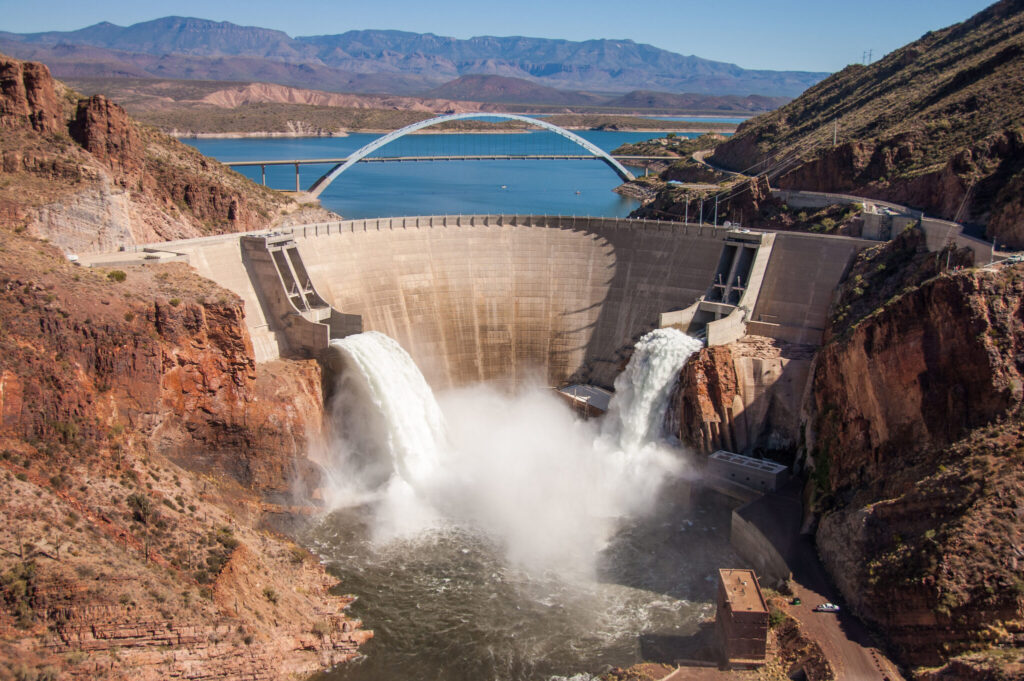
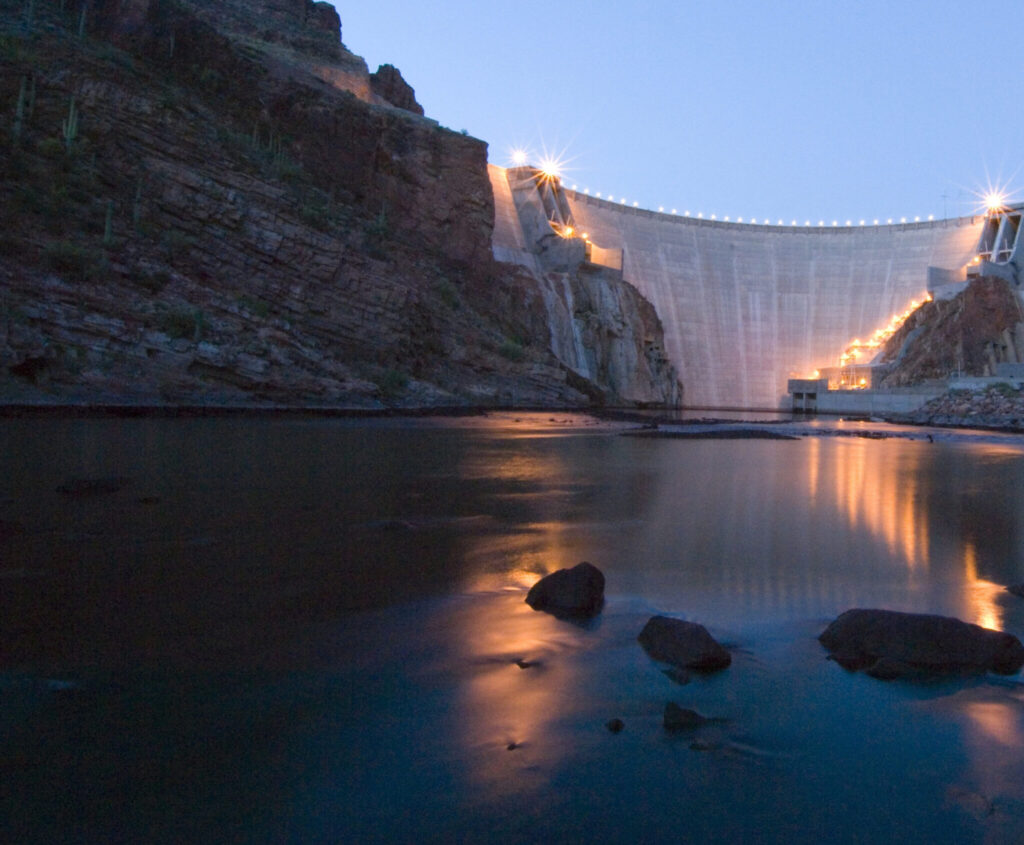
More than a century ago, the founders of the Salt River Project (SRP) had a vision to build a dam and a reservoir that would allow people to thrive in the harsh desert of central Arizona. SRP has followed that original vision by expanding its system from a single dam—Theodore Roosevelt Dam—to a system made […]
Dave Roberts: Careful Planning and Strong Partnerships—The Keys to the Salt River Project’s Water Reliability, Today and in the Future
The Salt River Project (SRP) is a major utility that provides both electrical power and water to more than 2 million people in the Phoenix, Arizona, metropolitan region. SRP manages 131 miles of Bureau of Reclamation– owned canals and more than 1,000 miles of laterals. With such a large customer base in a region susceptible […]
An exclusive interview with Garney Construction executives regarding the thought-provoking video Imagine a Day without Water.
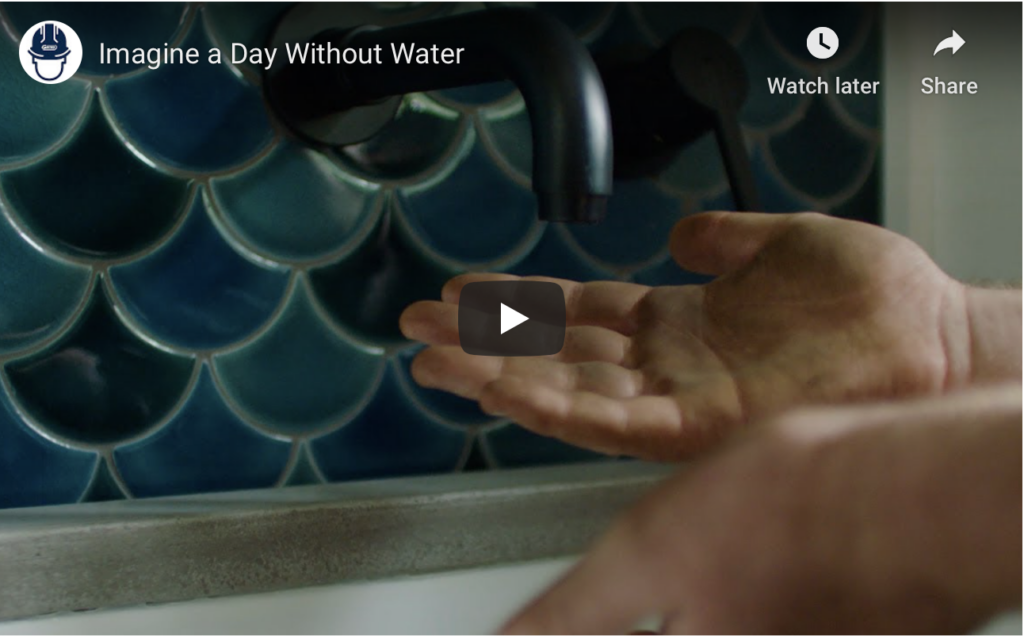
Mike Heitmann is the chief executive officer and Mark Kelly is the director of business development for Garney Construction, a Kansas City, MO based company that is engaged in water and wastewater construction projects for public, private, industrial and federal clients throughout the United States. The company is entirely owned by its 1,550 employees and […]
Water Utility Improvements in Lawrence, Kansas
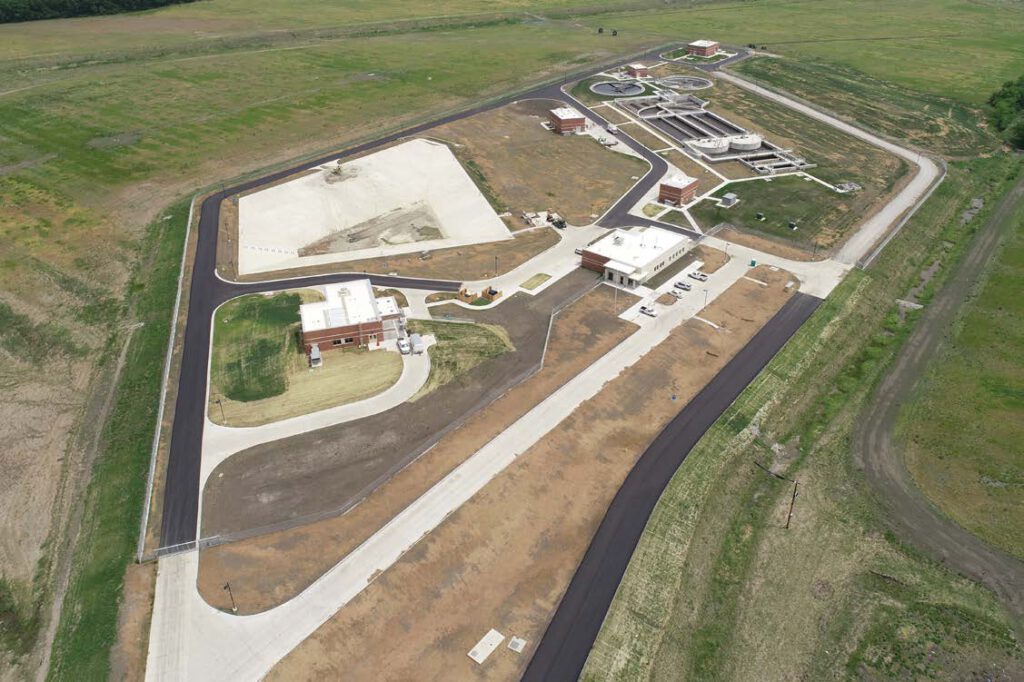
Lawrence is a city of around 102,000people in the northeastern corner of Kansas and is the home of the University of Kansas. The city’s water, wastewater, and storm water utilities serve the city and several outlying regions. Like many municipalities, Lawrence is working to install smart, automated meters. It is also working to reduce unwanted […]
Wastewater Testing as a COVID‑19 Early Warning System
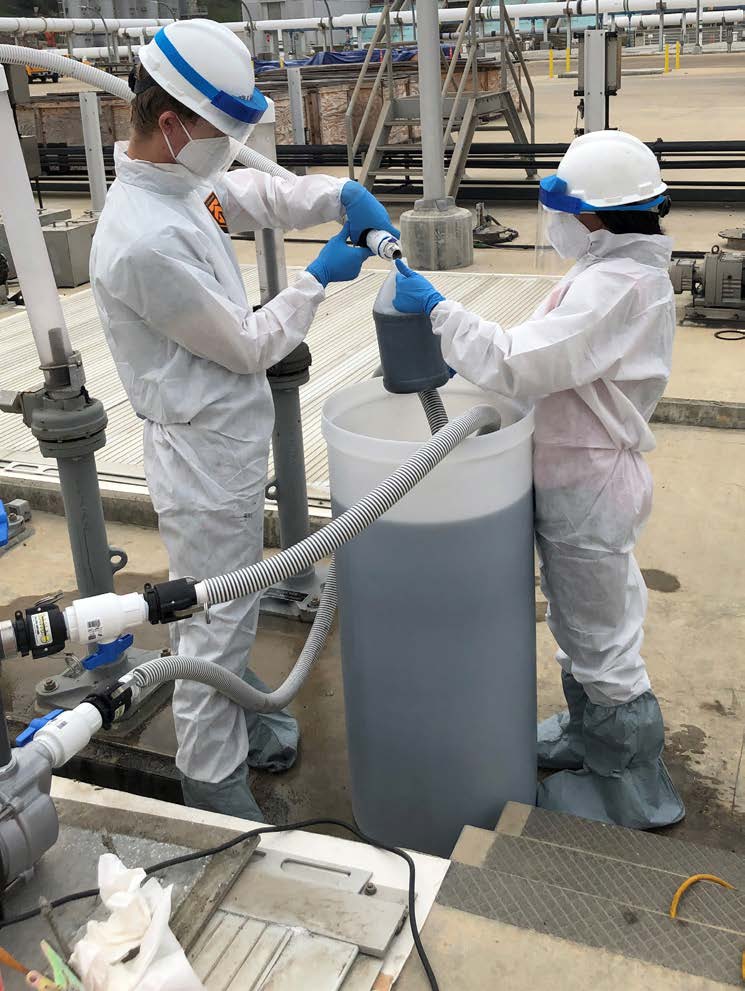
Today, everyone knows that individuals can be tested for current COVID‑19 infections or for the presence of antibodies that suggest a past infection. What fewer people may realize is that wastewater can be tested for residual genetic material that signals that SARS-CoV-2, commonly known as the coronavirus that causes COVID‑19, is present within a community. […]
The Water Tower: A Water Innovation Center for the Southeastern United States
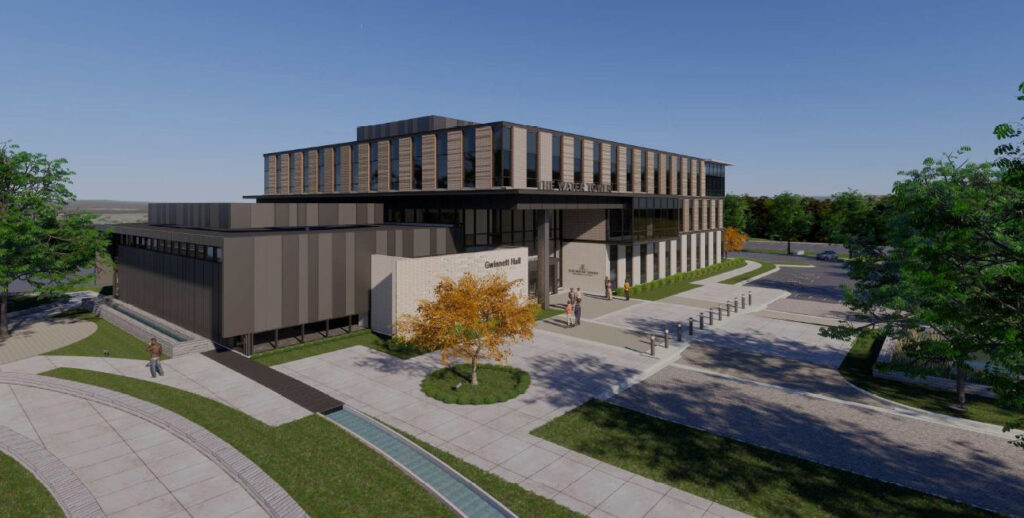
The Water Tower is a new water innovation center headquartered in Buford, Georgia. Its campus, expected to be completed in 2022, will include laboratories, a field training center, and access to real effluent and reuse water for research purposes. However, The Water Tower is already moving forward with programming in four key areas: applied research, […]
How a Single-Coat Epoxy Coating Is Saving Charlotte Water Money in the Long Run
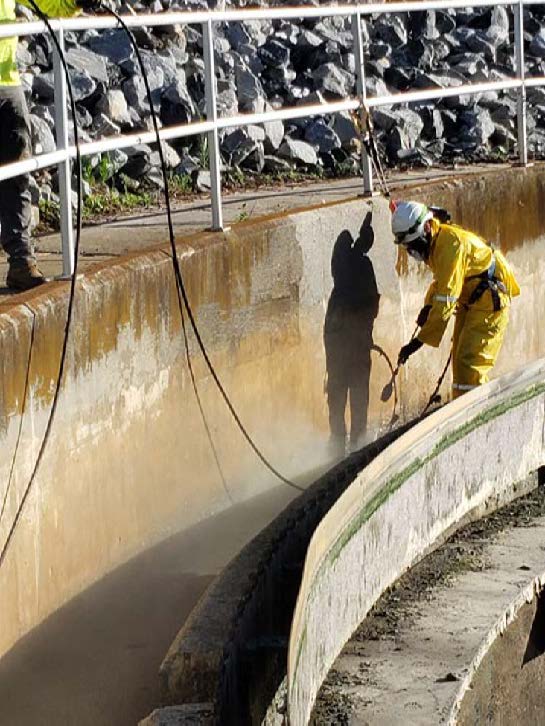
With a rated treatment capacity of 64 million gallons a day (MGD), the McAlpine Creek Wastewater Management Facility is the largest wastewater treatment facility operated by Charlotte Water (CLTWater). In 2018, CLTWater began a reliability and process improvements project that is being implemented via the progressive design-build project delivery method and involves the rehabilitation of […]
Water Services in Kansas City, Kansas
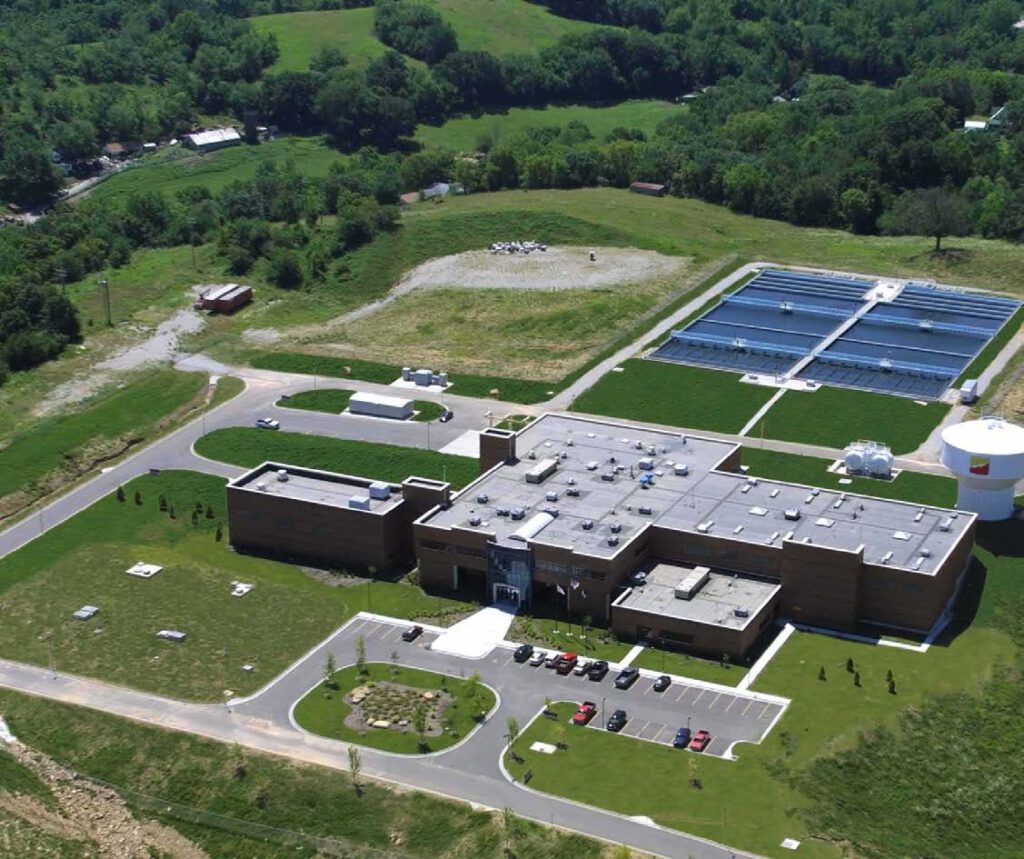
The Kansas City Board of Public Utilities (BPU) provides potable retail and wholesale water service to around 55,000 people in Kansas City, Kansas, and neighboring areas. It draws its water from horizontal collector wells in the aquifer below the Missouri River, treats it, and delivers it to customers via around 1,000 miles of water mains. […]
Toby Dougherty: Guaranteeing the Water Supply of Hays, Kansas, Through Conservation, Reuse, and New Supplies
Hays, Kansas, is located in an arid zone of central Kansas that lacks significant groundwater resources. During the 1990s, it became apparent that its existing water resources were insufficient for its consumption. Its initial response was to implement ambitious conservation measures, which succeeded in reducing its water use by a third, and to build a […]